How to make homemade, sugar-free and delicious banana ice cream

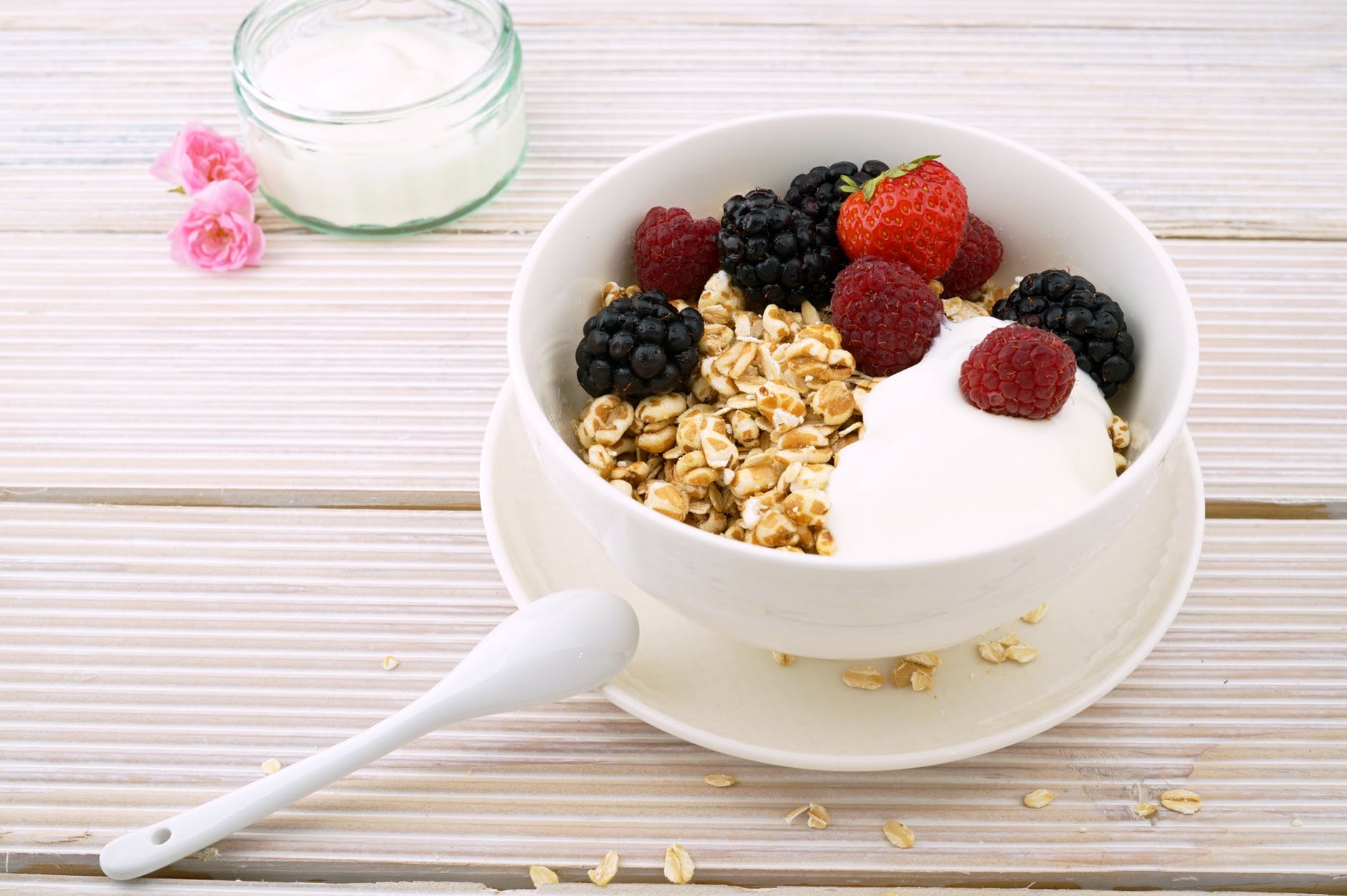
Ahh, ice cream — the coolest delicacy on earth — literally! Today I will be showing you how to make banana ice cream — at home, for free (mostly) sugar-free and delicious with only a few ingredients! Let’s get started!

So the first thing you are going to do (beforehand) is freezing your bananas. This is probably the most important part of the recipe. After your bananas are frozen (not completely solid, but frozen enough ), you will gather your other ingredients. The other things you will need is a blender or food processor, and some milk and/or water, and/or liquid sweetener.

The next thing you will do is blend up the frozen bananas (about 3) in the blender with a small splash of milk. Be careful on this step, because if you add in too much milk, it will be ice-MUSH!

After you have blended up the bananas and a little bit of milk (this will take about 5 minutes since you have to blend up frozen bananas), you will add in your liquid sweetener (optional).

When you’re all finished, put it in whatever you’re using to eat it (ice cream cones, ice cream cone bowls, or just a plain bowl!) and top it off with whatever you want! You can add mangoes, blueberries, strawberries, raspberries, blackberries, pineapples, oranges, or even more bananas! You can also add sugar-free cool whip (yes, it’s a real thing), nuts, and more sugar-free stuff (if you are going for a sugar-free recipe, that is. This can also be good as a yummy sweet recipe!)!

That’s all I have for today! I hope this helped satisfy your sugar-free sweet tooth (or your sugar sweet-tooth!) and it was soooo good!

Hugs and kisses,

~Haley

All About Ember

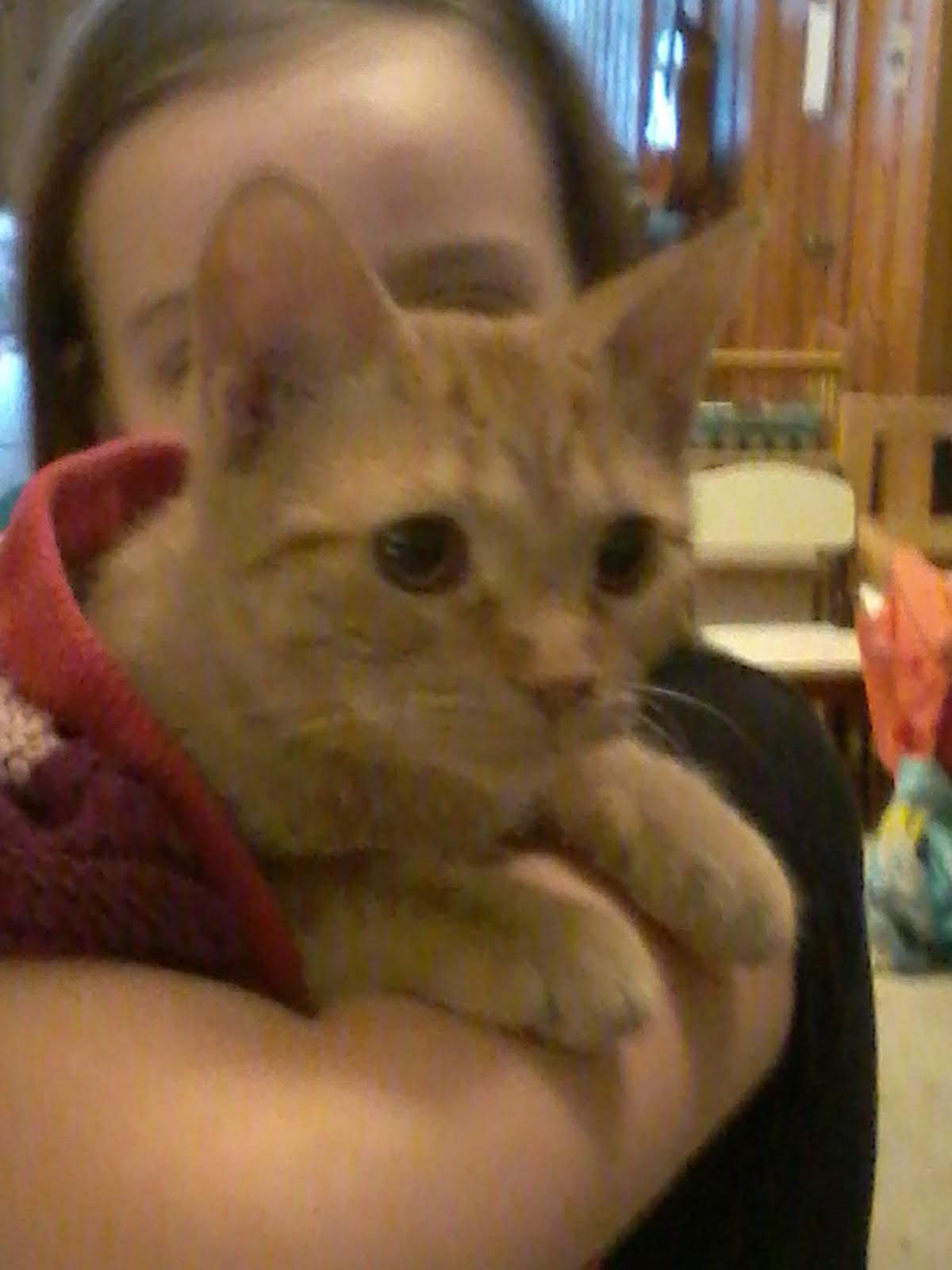
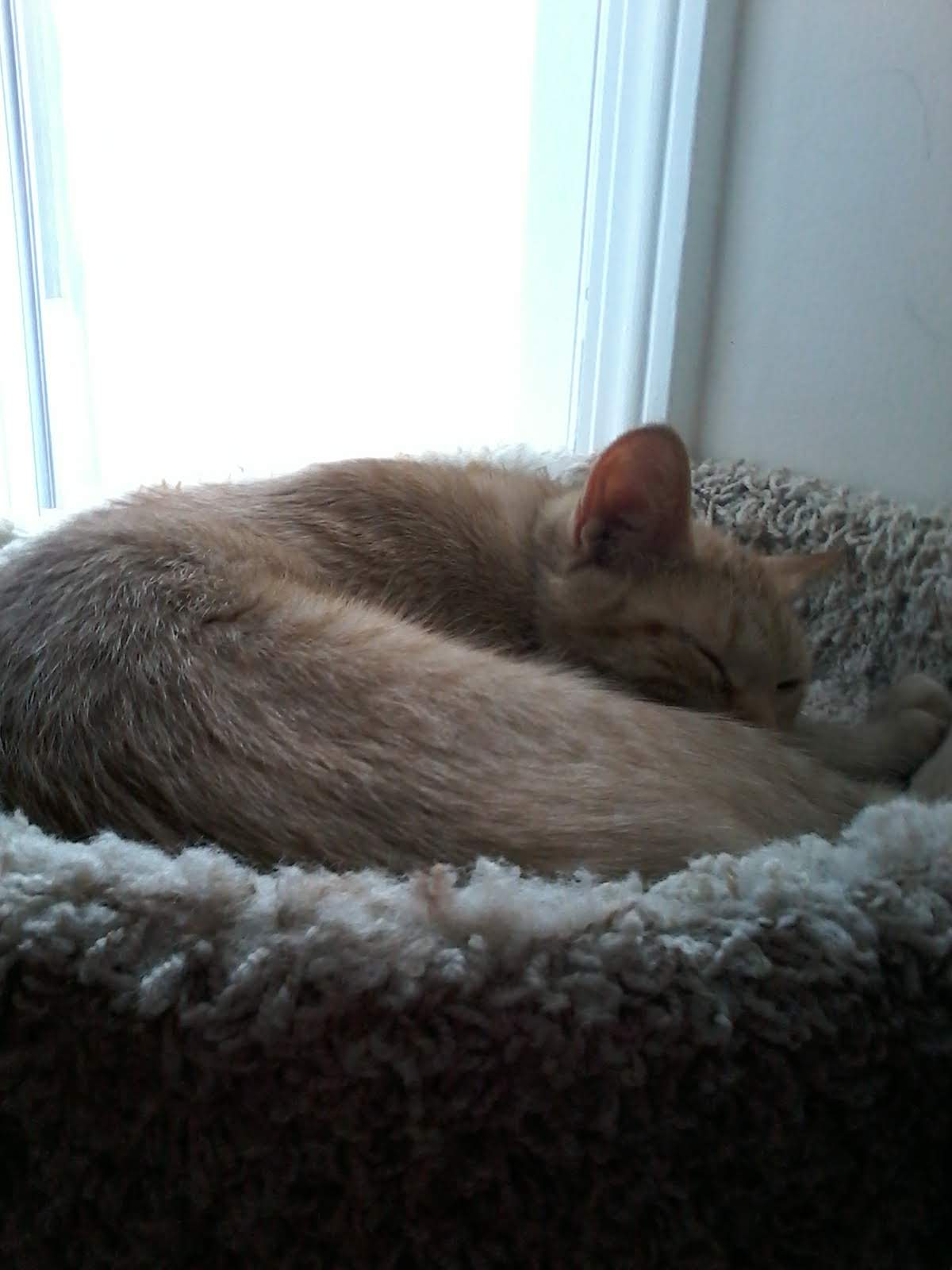
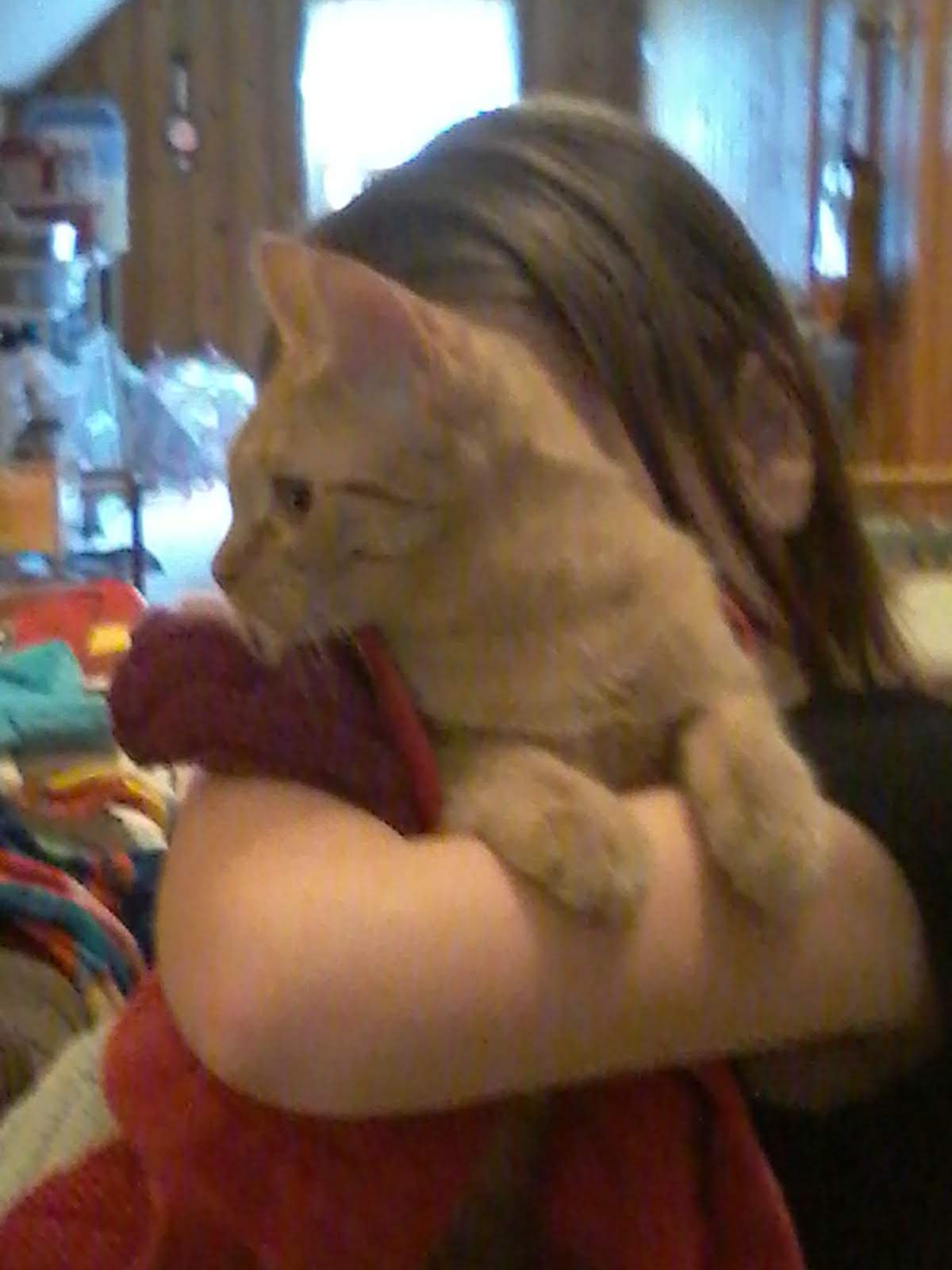
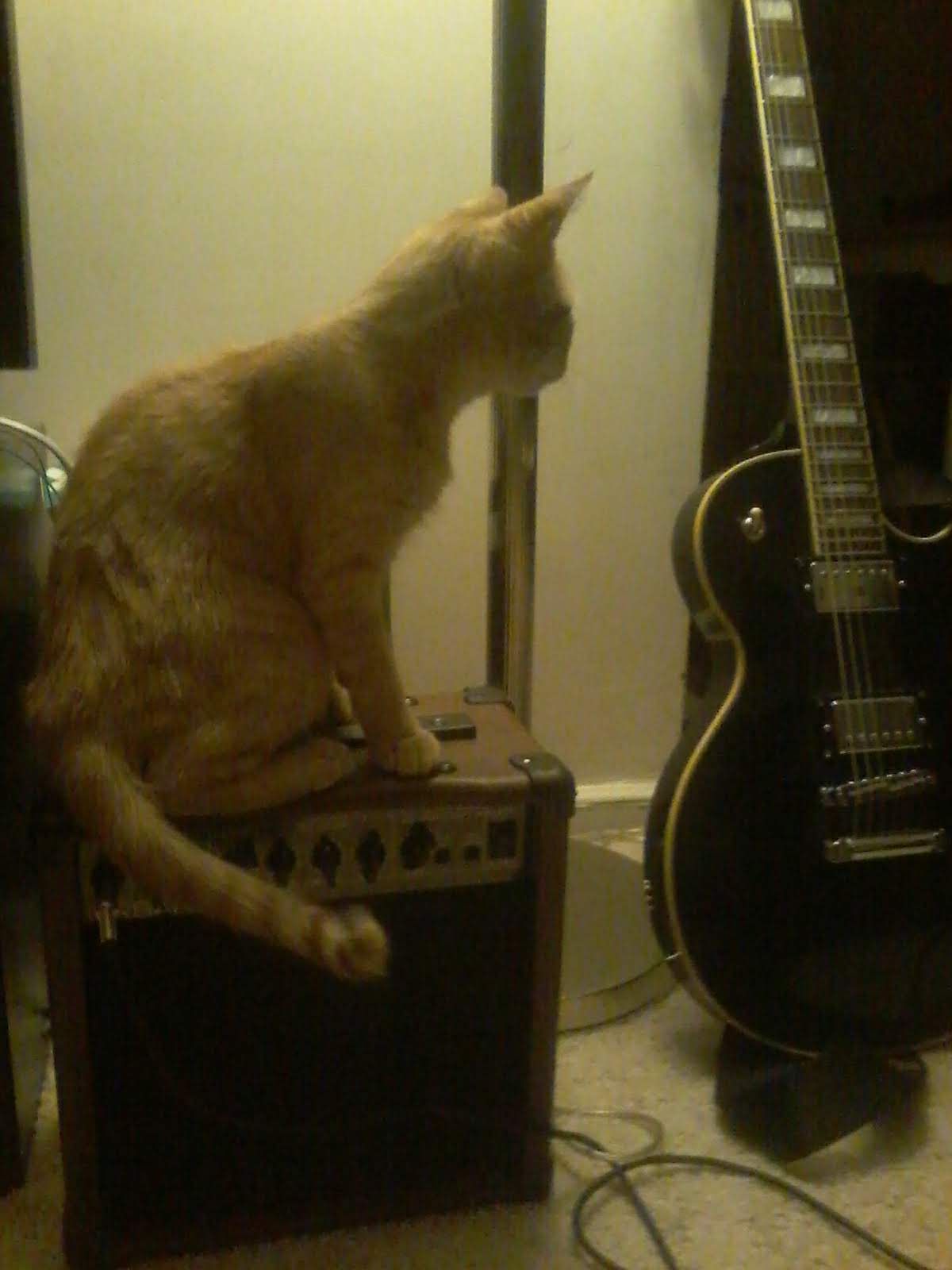
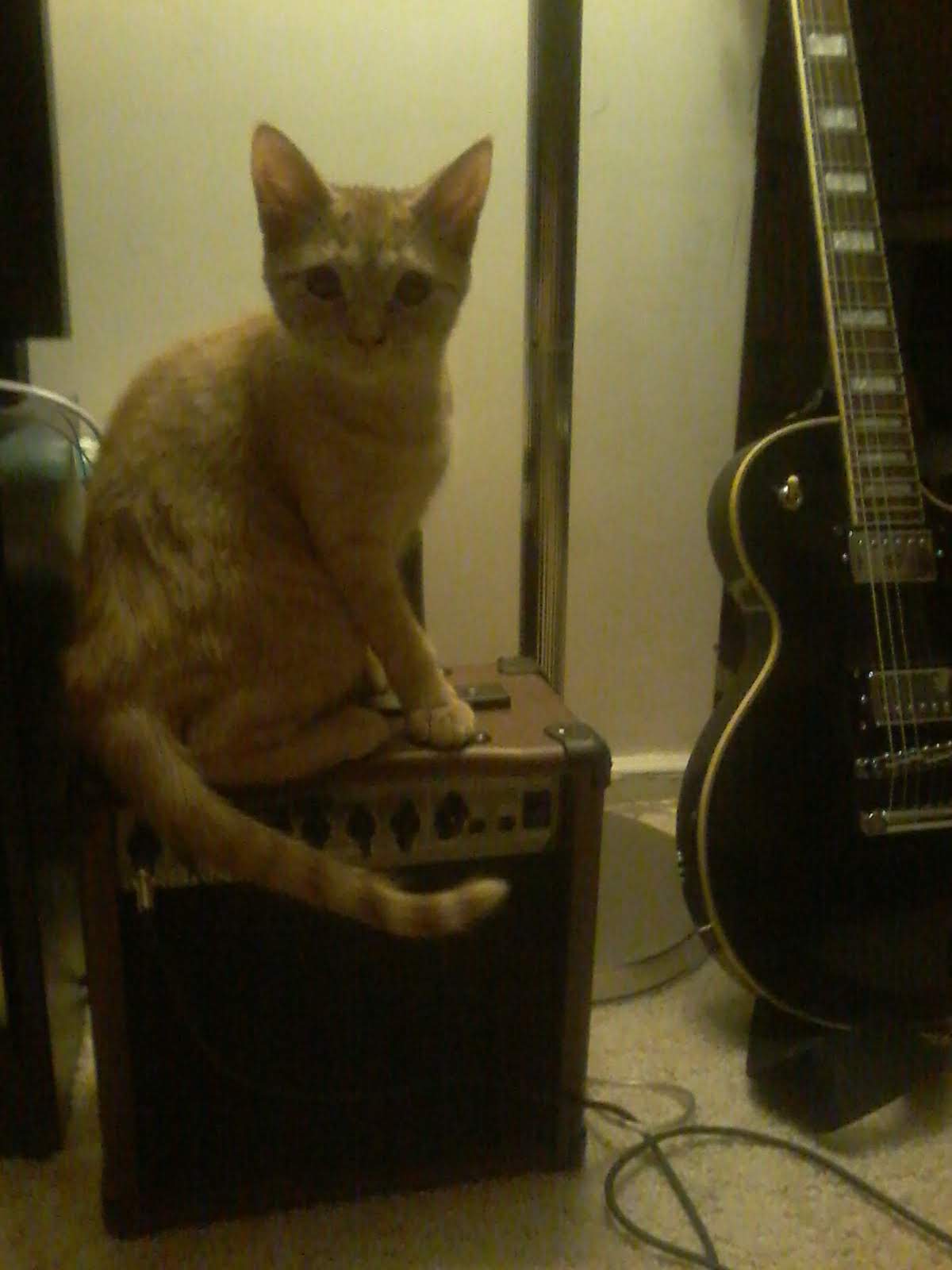
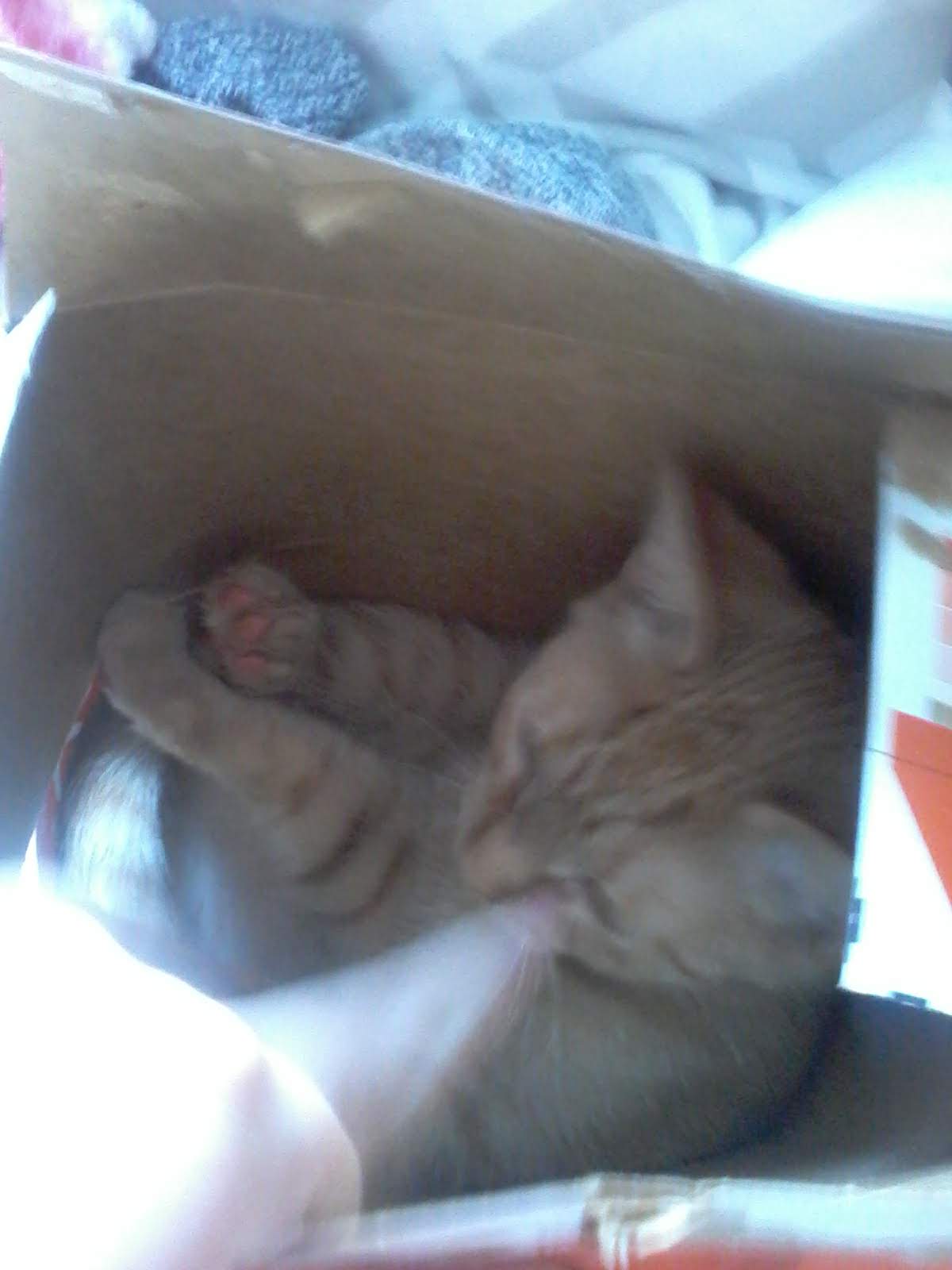
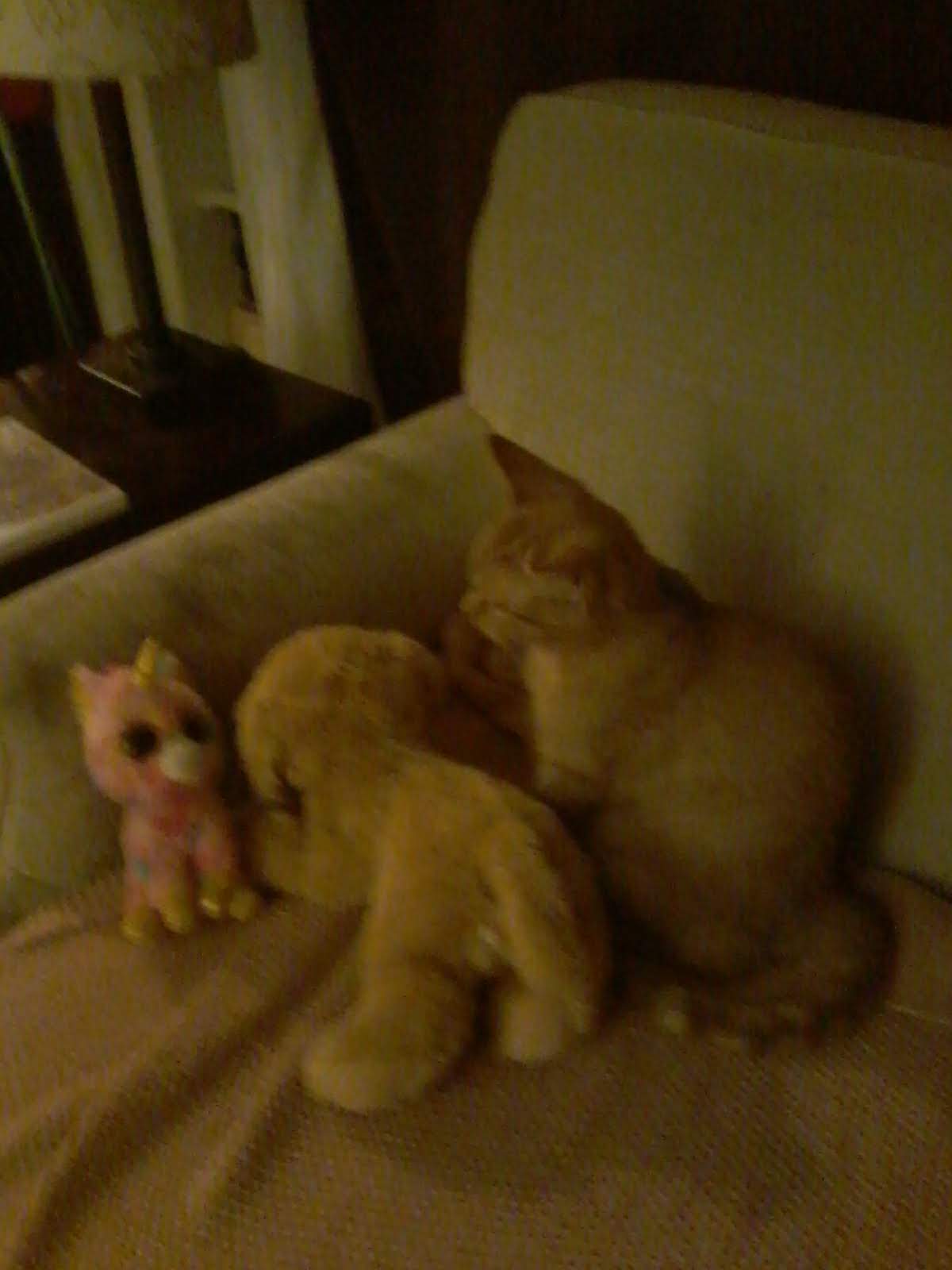
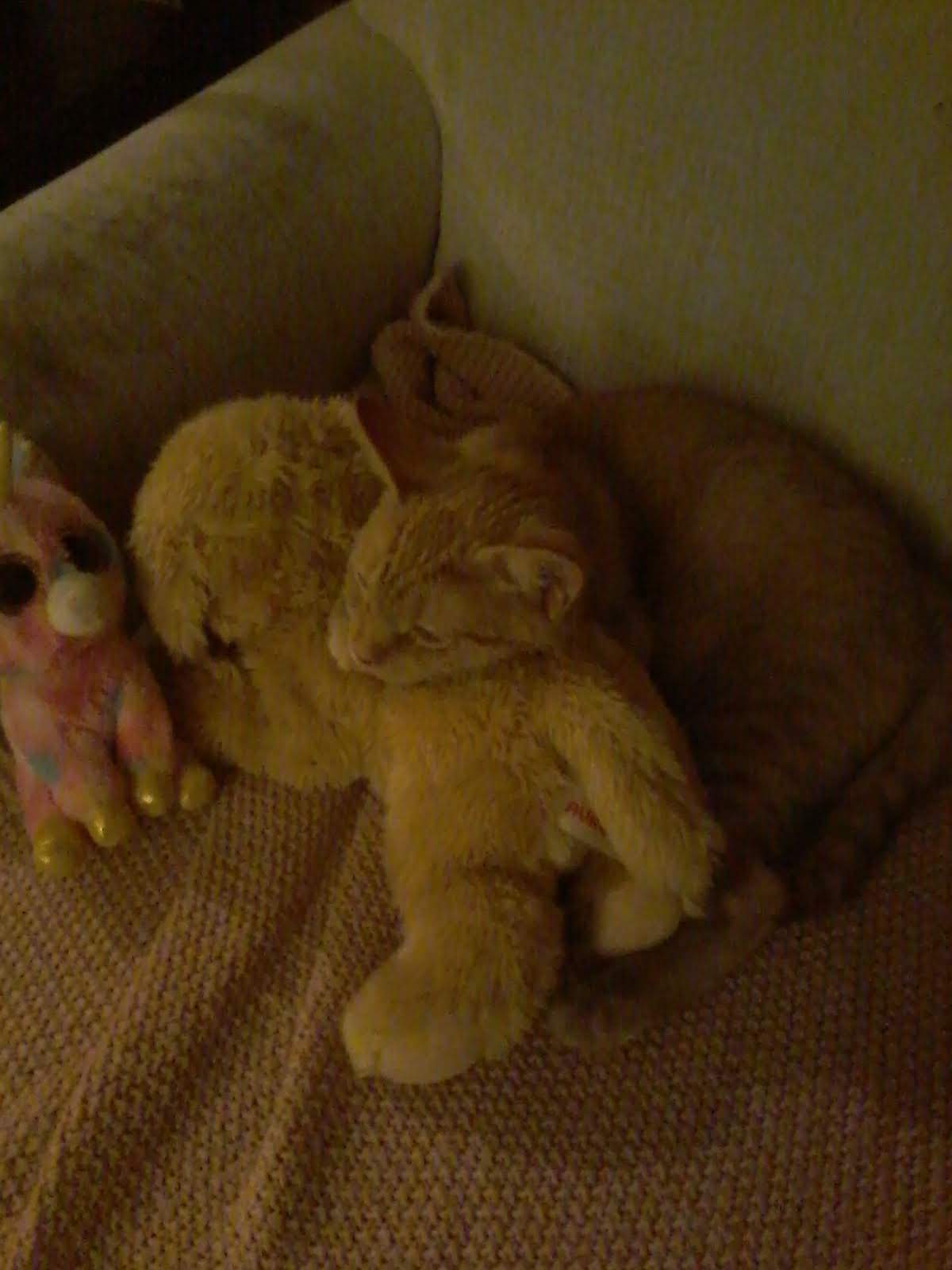
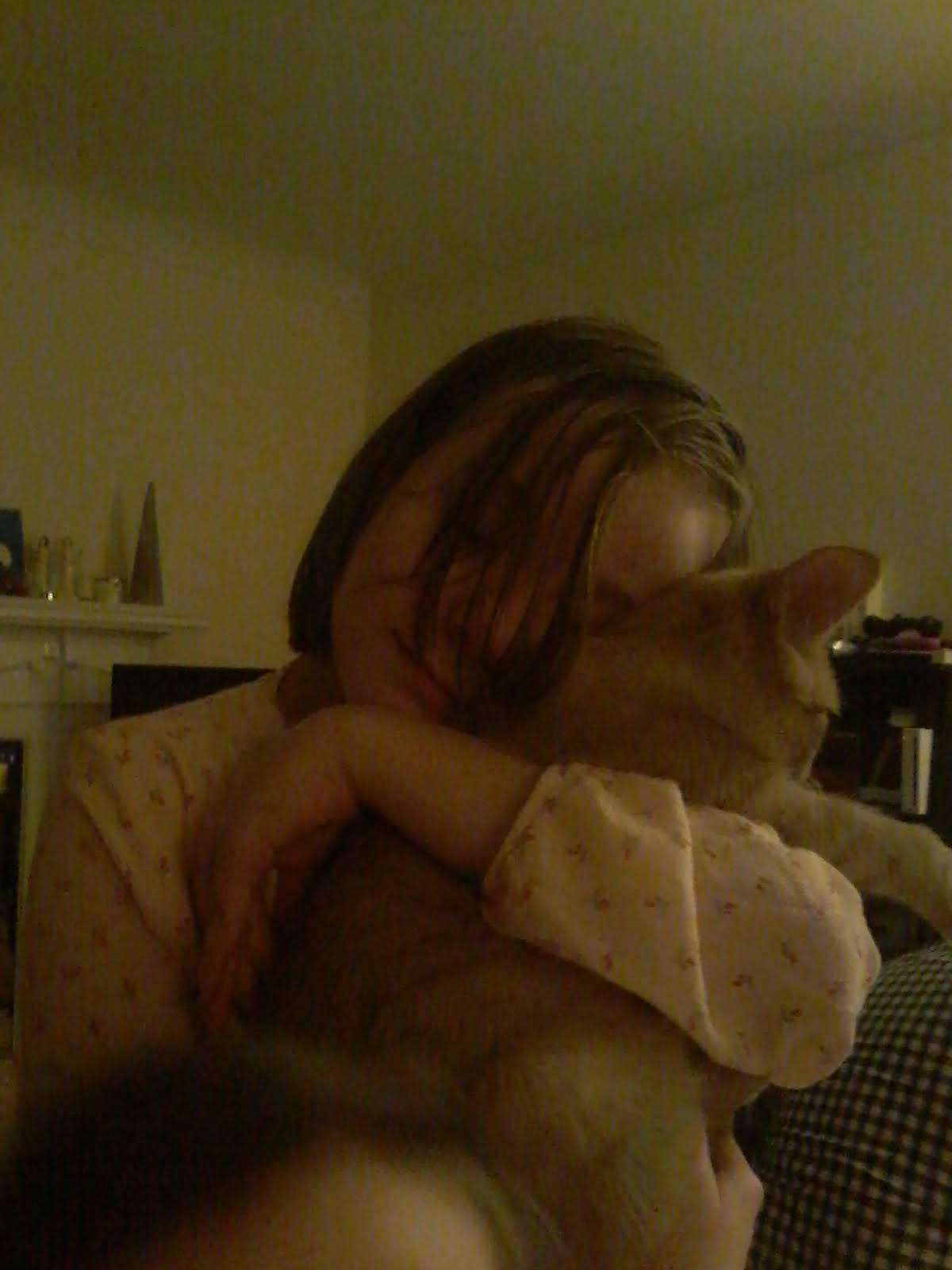
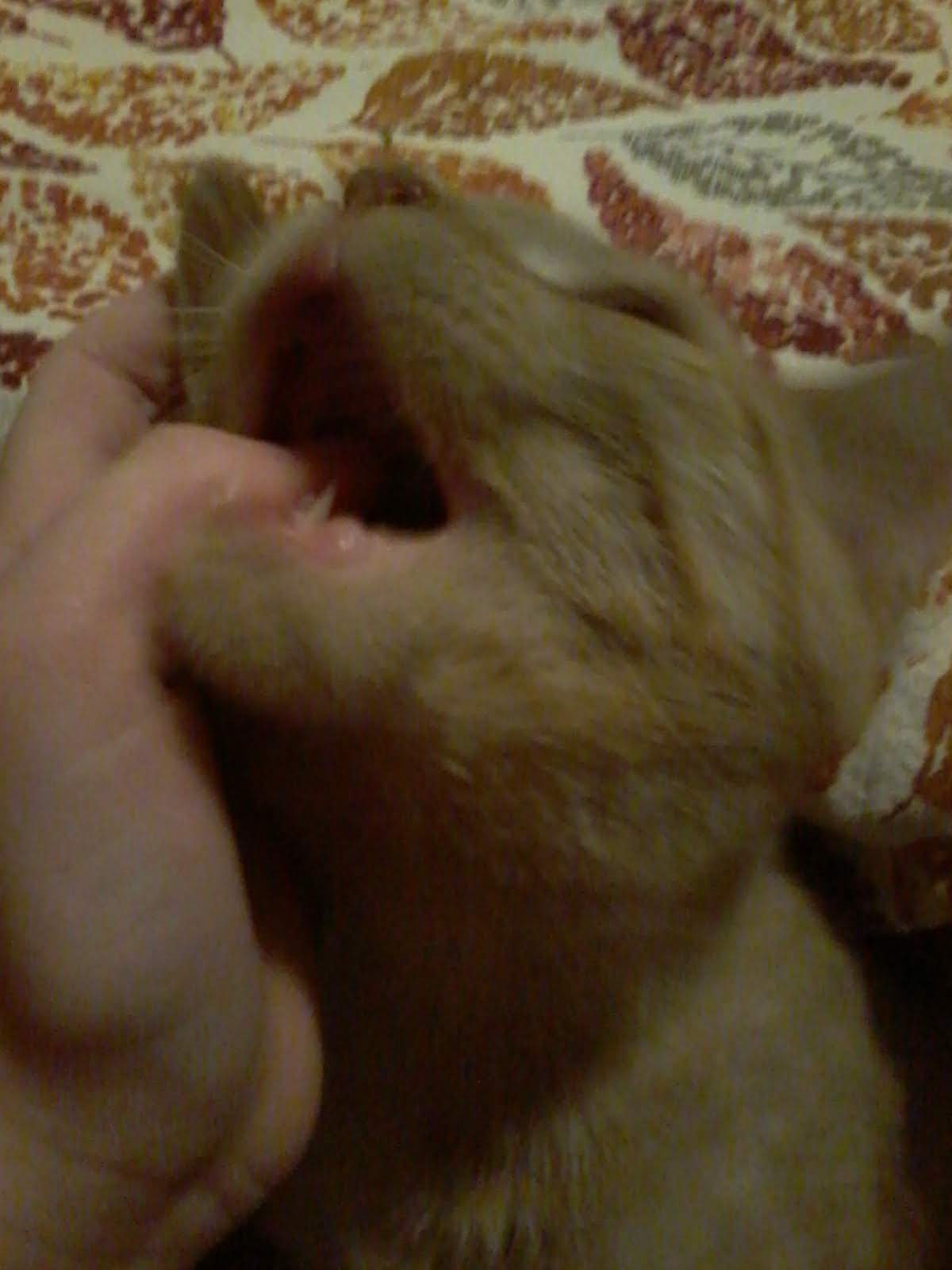
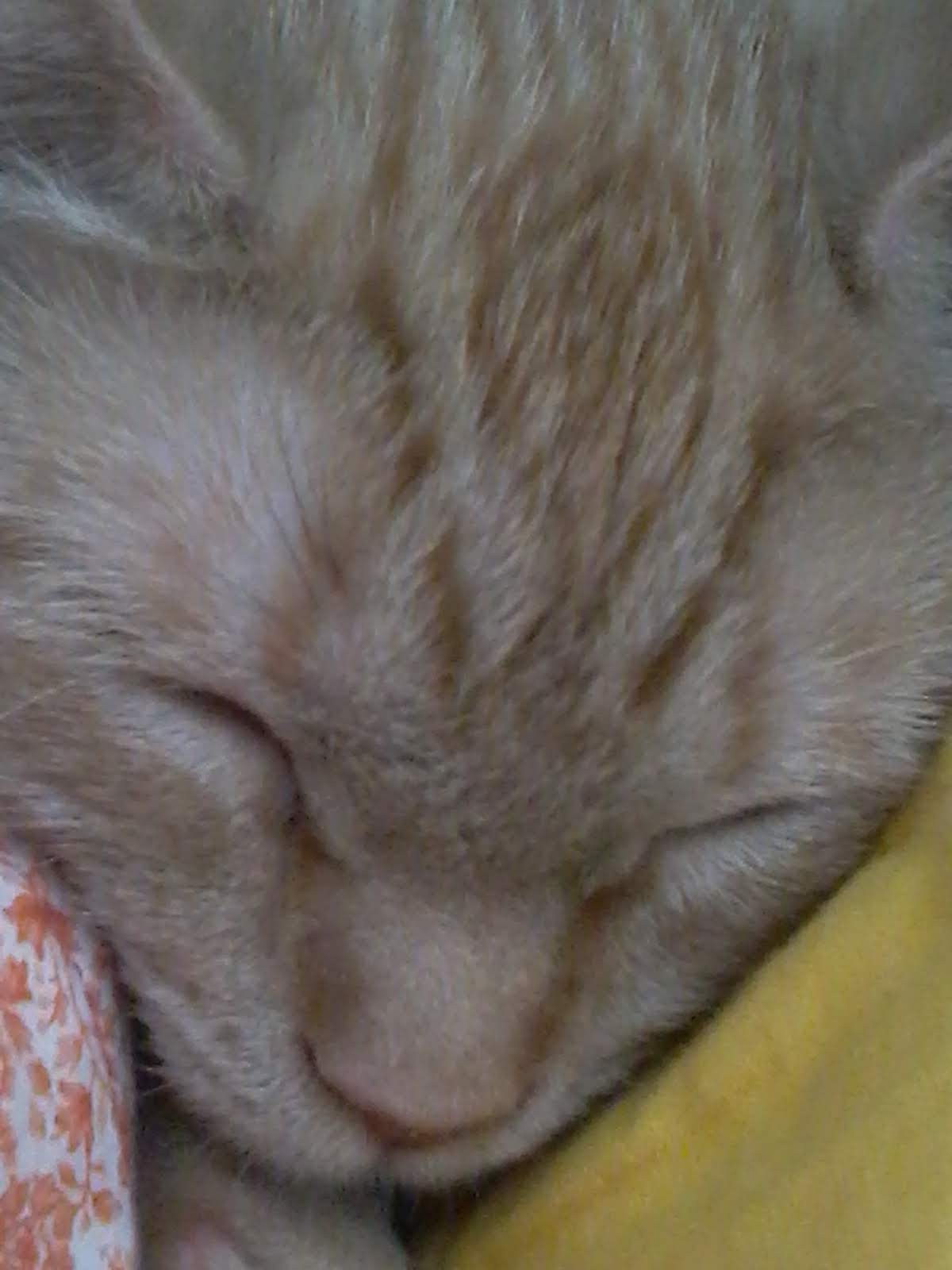
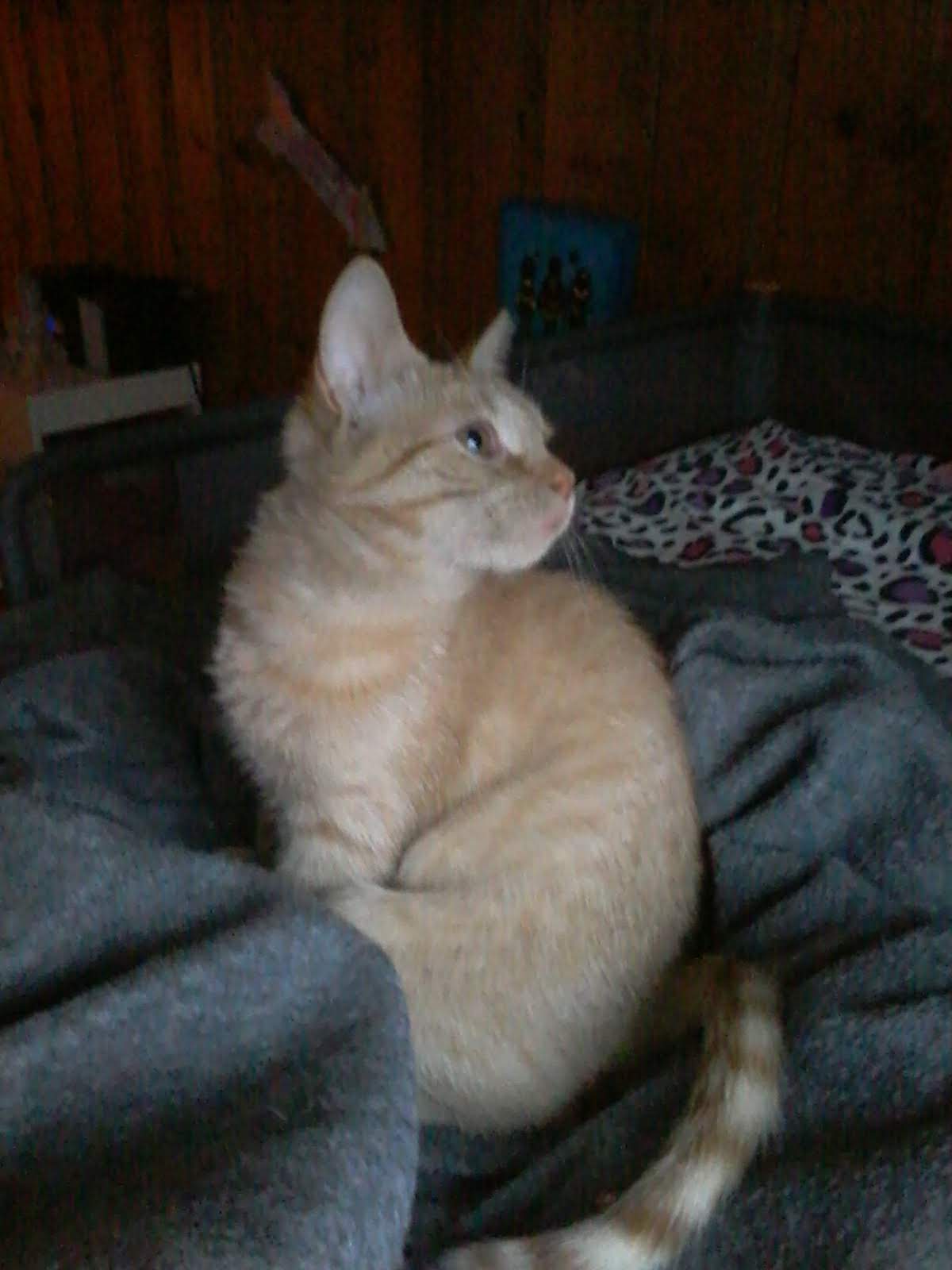
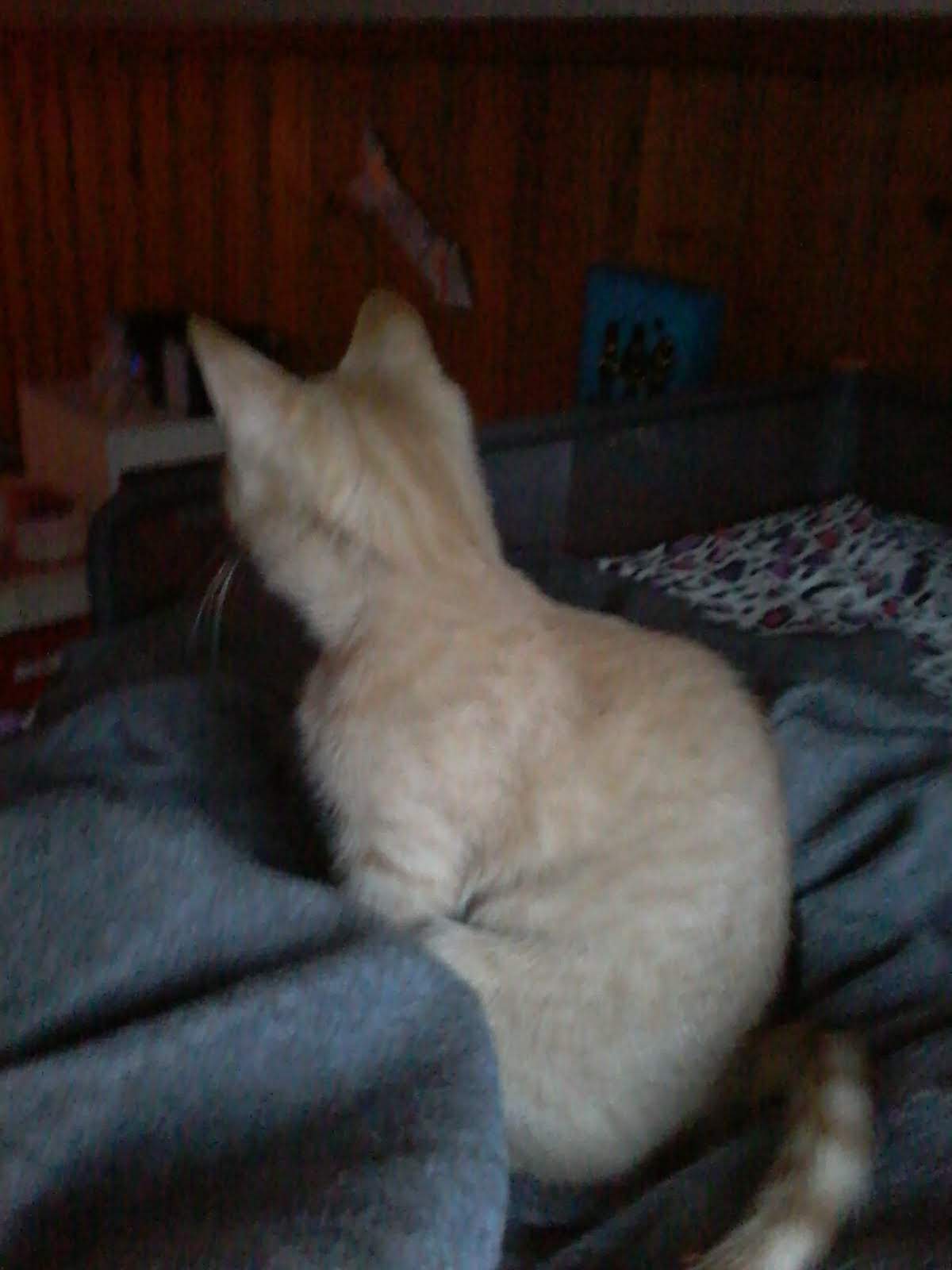
Ember is my kitten. She is almost 4 months old. She is very adventurous and playful. She has hazel eyes and is light orange and stripy, and she has weird spots on her tummy.

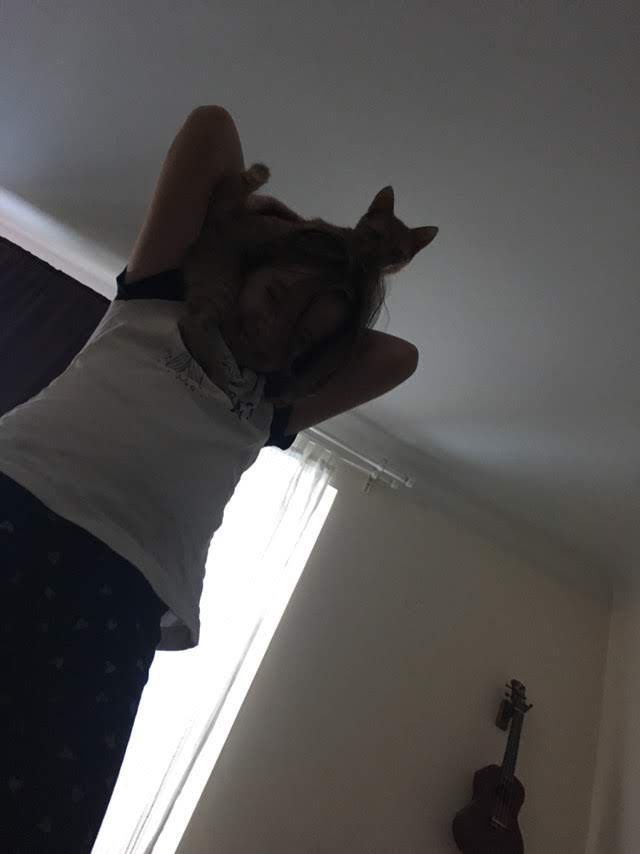
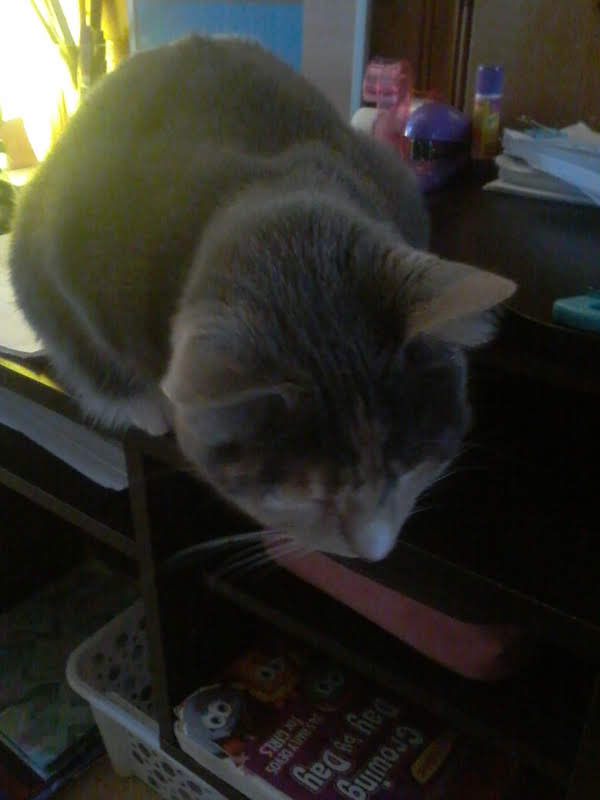
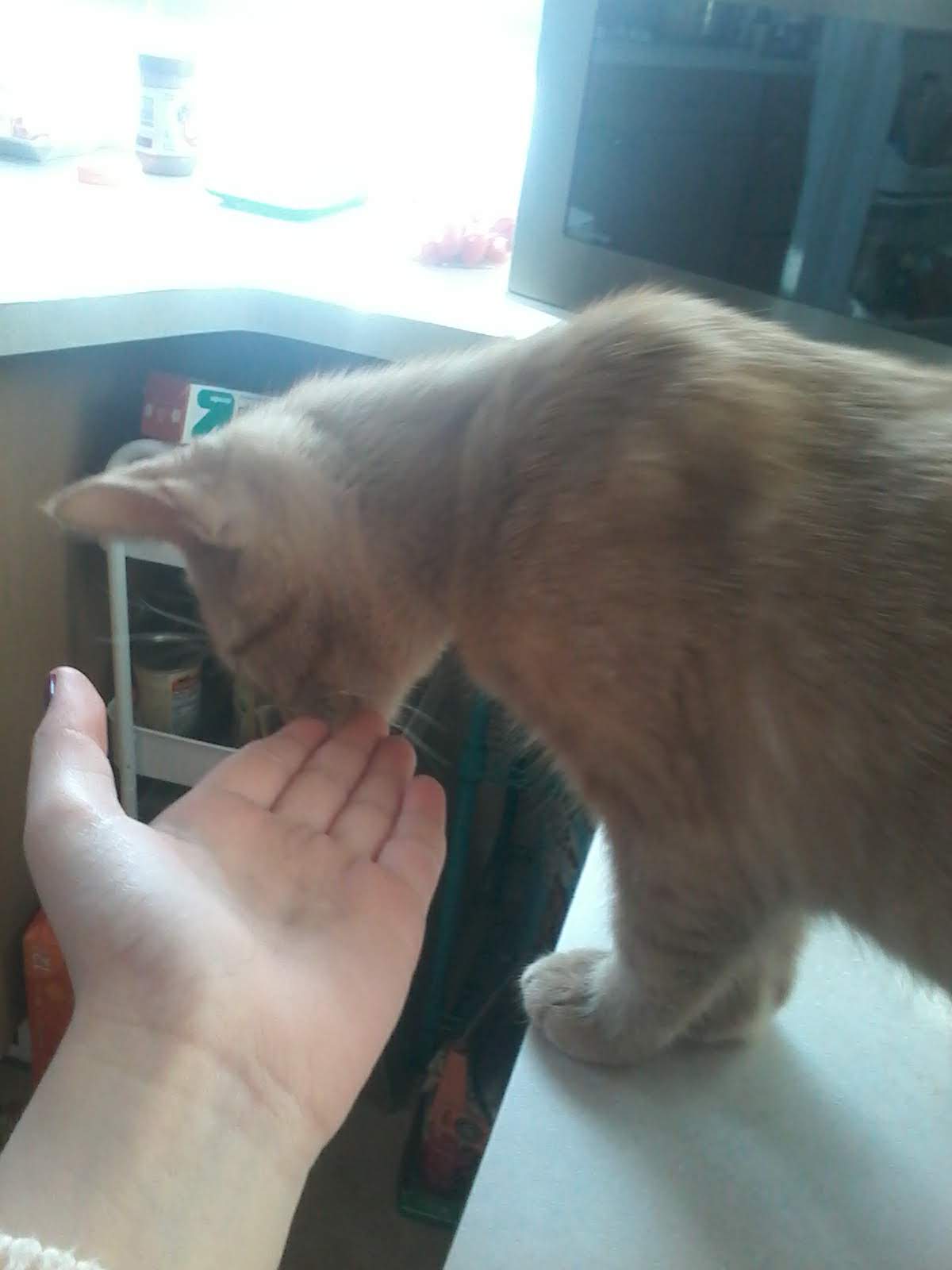
This is my photo gallery. I am many cats… bored cat, sleepy cat, cat with her owner cat, curious cat, feisty cat, camping cat, on top of the world cat, cat being pet cat, stuffed animal party cat, and many more cats. There’s even a picture of my big sister, Pearl the cat!

Ember and Pearl (Pearl is my other cat) play a lot. I think that Ember and Pearl will be BCFF (Best Cat Friends Forever!).

Even though Ember is very playful, she is 2x as sweet when she’s sleepy or snuggly! One morning I woke up and she was snuggling with me, and it was so sweet. I got her for my 11th birthday. Zeus doesn’t like her so much though. One more thing — she likes banana smoothies!!

Comparing Text-Gen RNNs with an Alice in Wonderland-trained bot

Have you ever wanted to teach a robot to write poems or stories? Sounds impossible, but it’s easier to do than you might think! I recently read Max Woolf’s article, How to Quickly Train a Text-Generating Neural Network for Free, and worked through his Google Colaboratory notebook for a school project. It uses machine learning to train a Recursive Neural Network (RNN) how to write.

What I did:

 Using Max Woolf’s pre-made code, I taught a bot to spit out text. You put in a file, run the code, and it starts learning from this text and spitting out text. It was originally trained on Shakespeare, but I used a .txt file of Alice in Wonderland by Lewis Carroll, downloaded from Project Gutenberg.

The computer is supposed to learn from the file you put in. There are lots of different settings, such as making it learn by word or by character, and I adjusted the settings a few times. My experiment was training different models of the Wonderland-trained bot by trying different combinations of settings. The results were interesting!

How I did it:

We found a pre-made code here at https://minimaxir.com/2018/05/text-neural-networks/ and opened it with Google Colaboratory. Next, I found the Alice in Wonderland file and uploaded it to the Colaboratory notebook. I used a couple different settings for each one, like changing the word level (whether it trains on all characters or on all words).  

I trained two completely different models by changing the settings for the training epochs, meaning how many times the program went through the whole text file; the training size; dropout rate; and word level.

I changed the settings, and now I have 2 different models. It was really easy, and I just let it sit for a while so I didn’t have to watch it learn. When this was all finished, I copied and pasted the stuff it spit out into a Word Document.

Model 1 trained for 100 epochs at the word level, and was not very successful.

Model 2 trained for twice as long as model 2 and learned at the character level instead of the word level. It was much more successful, and sometimes even sounded like Alice in Wonderland!

What happened while I was doing it:

While I was doing it, it was slowly learning from the files. The first model had different settings, and it was pretty much just spitting out little bits of text and A LOT of quotation marks.

Example:

” ” ” “

 , ll alice roots dreadfully i , , off off , dark had had alice had alice alice dark

comfort oh oh oh . to ! – i i – i ; ; are ! to that hour first ; ; i i i i i i ! ! i _ the

both other night see

_ see one baby hardly ” it one , it the baby more

 The first model was starting to make sense near the end, which was good. The second model had just been starting to spit out sensible text near the end of its last epochs. I only had 100 epochs for the second model, and I had 200 for the first one, so I guess that gave it more time to learn.

What the results were:

The results for the first model were actually starting to make more sense, because it was finally starting to learn how the file had been working and doing that stuff. For the second model, the results weren’t really making sense, because it had just learned how to actually spit out text, and it still had weird commas, periods and quotation marks in between words.

Model #1:

Epochs: 200

Gen each epoch: 20

Word level: False

Train size: 0.8

Drop out: 0.0

File: Alice in Wonderland

200th epoch sample:

 Model #1’s sample:

This is a sample from the 200th epoch of Model 1, which was the last epoch. I used the Alice in Wonderland .txt file. I had it generating a sample every 20 epochs, meaning it spit out text every 20 out of the 200 epochs. I also had it training at the character-level rather than the word-level. It didn’t have any dropout, and I set its training size to 0.8, meaning it had been training to be more like the file.

####################

Temperature: 0.2

####################

s very tired of stick, the poor little thing was saying, and in a sorrund at the door, she would feel

with bring fite their usual off, if you provide a free at encust acceptanted to have no

meaning to it, but she the root fell on it,

            And with a great id yet.”

“I don’t know of it out it

This is temperature number 0.2, meaning that it is more predictable. It is also just a small sample of what I did here. I feel like this was making sense in some parts, but not making sense at all in others. You can see it was still making up words, like “sorrund ”, and it was still using a few random underscores every now and then. Still, there are parts that really create a sense of narrative, like “s very tired of stick, the poor little thing was saying, and in a sorrund at the door”.

####################

Temperature: 0.5

####################

y. “Oh, I begin–out-I forgoise—‘”

“Now, whater!” said the Queen, in a shill, the salt were places in his any looked at processions hands,” said Alice a little ask the find of the house of the house pig, that she was walking her face–and she is sounded out of the reedsact she sat still and shut

This is a sample at temperature 0.5, meaning it was halfway between really random and really predictable. I actually liked this part of the sample the best. It was still making up words, but it was really cool, because it was making up it’s own story, in a way.

####################

Temperature: 1.0

####################

“Ah! t

not even getting her tells of her choies,” thought Alice, “and if it seems was not almorded, “and take this could not.

“Yes, please do!” Alice replied in an wonderful, and she dreamed

on the large of the party deal),

            How neatler, or and pebled slire, who all can be a very different pers

This is a sample at temperature 1.0, meaning it was very random. Again, still making up words, but I think with just a little more training this would’ve ALL been making sense.

That was the end of the sample for model #1, but now you can see the sample for model #2, for which I trained differently with different settings!

Model #2:

Epochs: 100

Gen each epoch: 10

Word level: True

Train size: 0.5

Drop out: 0.2

File: Alice in Wonderland

100th epoch sample:

I trained this model for only 100 epochs in total, with it spitting out samples every 10 of the 100 epochs. I used the same .txt file of Alice in Wonderland, but I changed up the settings a little bit. You can already see I changed the number of training epochs and word gen for the epochs, and I also changed the word level to True, meaning it was training off of word instead of character. I decreased the training size by 0.3, so that it was 0.5, and added 0.2 dropout, meaning it would drop out 0.2 of the text in the file to train on.

####################

Temperature: 0.2

####################

a to , . and know was it it she they – – – – – – , : only ” fancy fancy ” sudden

close ” ,

 what ii be very , be be , very believe into it a t out it much much others c was

in in she had was day

a a bill stick , . you ‘ ‘

said a and a

large the the foundation – foundation a of ) of the the the hall it , it moment delight you you queer being

Okay, so, this is temperature 0.2 for my second model, and this is clearly A LOT different from my first model. I was still using the same file, but I changed the settings. It has a lot of weird spacing and a lot of quotation marks, commas, periods, etc.. I think it’s almost funny though!

####################

Temperature: 0.5

####################

, in alice , sha all , ! ! which this ! which quite comfort – to – goes goes – – with together it the – with ! ! ! ‘ ‘ the hadn _ i i as to have the – i i ‘ ‘ , if , _ _ was when ‘

, queen sighed was was t i ‘ and had

 ” and to illustration door door a to , your the and large ” been come

a to

 frightened were ” will – will stand i because . go seemed it up a tied can can do cause she ‘ as one watch queen all all all their s course grammar of – – – – – of as – – –

 , ” “

– and –

to the , ,

Ok, this was temperature 0.5 for my second model, and it was all over the place. It was the longest temperature out of them all, and it had a lot of weird spacing and quotation marks. I think with a little more training it could get the hang of it.

####################

Temperature: 1.0

####################

 all you make doth ” was of put it the ” ground baby maps her ” ” into through m she plan might

he a creatures so

and i and to

a hedgehogs looking saying

, to of like left a

a asking the , had it

generally sensation found

change cat splash dormouse drew your to . ! ” and queen conversations great , the blasts , t t advice in in first first at matter first much ” the in that “

in witness in in in in and and in in who girls time she she seemed ) : one you – ve her found trial were about a ” – one witness ,

the witness – the about his i and out the is rustled

This was temperature 1.0 for my 2nd model. For some reason it likes to say “onions” a lot! I think this needed more time to train so it could get the hang of the spacing, but I think this makes it look cool and unique.

So those were all the samples to my 2 models! I hope you liked them!

How to wake up early every single morning and stick to it

All through January, I’ve been waking up every single morning at 6:00 AM. That was a big jump for me since I started by waking up at 10-11:00 AM every single morning, and now I wake up early and feel more refreshed, rested and happy!

The first step to waking up early starts the night before. Trust me, your body will be grateful.

The night before is the key time to starting the next morning more rested. Set an alarm on your phone/device/alarm clock 10 minutes before whatever time you want to wake up the next day. The reason you set it 10 minutes before the time you wake up is so that you have time to wake up, drink water, and do anything else you need to do before starting the day.

The next thing to look at is how much sleep you are getting. I usually need 9-10 hours of sleep, teenagers need 8-9 hours of sleep, and adults need 7-8 hours of sleep. This also depends on the person. I get in bed at 8:30 PM, and read until 8:55 PM, and then I fall asleep. I wake up around 5:45 AM every single morning, with just enough time to wake up, make my bed, have a nice big glass of lemon water, use the bathroom, and make a plan for my day.

Next, I read the bible, and then I work in my Bullet Journal. After that, I usually get dressed, comb my hair, and go downstairs to get breakfast for the day. I then brush my teeth and stuff, and then I come back upstairs to write my morning pages.

It takes me about a half an hour to write my morning pages, and then I read or draw for a while. By the time I’ve read or drawn for 15-20 minutes, the sun is rising, so this is the perfect time to meditate. After the sun rises, I usually listen to some music and continue reading or drawing. After this is done, I’ll probably stretch/do some jumping jacks, and go downstairs to play with my kitten and have a little snack.

By the time I’ve finished my morning routine, people are starting to wake up for us to start homeschool.

It really doesn’t matter if you have a fancy routine or not, what matters is that you enjoy the morning and have a good time with it.

Some tips for getting out of bed:

  • Have someone splash water on your face.
  • Splash some water on yourself.
  • Put your alarm away from where you can reach it in bed, like on your dresser that is at least far enough that you have to get out of bed.
  • Get something warm on or turn on/up the heater so you are not cold.
  • Motivate yourself – say if you get out of bed, then maybe you’ll make yourself a nice breakfast, go to the park, go on a walk or go to the store later.
  • Use this alarm clock app called Alarmy that makes you get out of bed and take a picture of something, do math, shake it 200 times, etc,. etc..
  • SPLASH WATER ON YOURSELF! (It’s very effective.)

That’s all for today! I hope these things helped you.

Hugs and kisses,

~Haley

How to make a homemade acai bowl

Photo by Life Of Pix on Pexels.com

Ah – acai bowls – the sweetest sugar-free most superb treat on earth! But today I’m not going to be telling you about acai bowls, I’m going to be showing you how to make them! Acai bowls are the perfect breakfast, snack, after dinner or after lunch dessert! Plus, they’re healthy AND delicious!

So let’s get started! Here is what you will need for the recipe:

For the puree:

  • 1 cup of frozen berries (This is the key to making the perfect puree!)
  • 1/2 cup of milk
  • Sweetener (This is optional: You can add in honey, maple syrup, stevia, coconut sugar, brown sugar, or plain white sugar!)

For the toppings:

  • 2 nut types of your choice (Cashews, pecans, almonds, peanuts, etc,. etc.)
  • Honey
  • More berries for the top (These can be fresh or frozen!)
  • Chia seeds
  • Peanut butter
  • Anything else you would like on top of your acai bowl!

Directions:

  1. Start by making the puree. Blend together milk and berries slowly, until it has almost an ice cream consistency.
  2. Put as much of the acai puree you want in a bowl!
  3. Get topping! There are many ways you can do this: You can layer it by adding a thin layer of puree on the bottom of the bowl, and then add fruit, another layer of puree, nuts and so on. You could also add the toppings just on top – maybe putting berries on the left side, nuts on the right, and everything else in between!
  4. Enjoy your sweet new dessert.

Hugs and kisses!

~Haley

Top 4 free art softwares

Hi! What’s up? Today I will be showing you some really awesome AND free art softwares! What could be better than that?

  1. The first art software I want to tell you about is Krita. It has so many different tools and brushes, and is super easy to use! You can download it at the official Krita website, https://krita.org/en/

2. The second art software I want to tell you about is AutoDesk Sketchbook. It also is pretty easy to use and is good for sketching. It is now officially free for everyone to use! You can download it here at https://sketchbook.com/

3. The third art software I want to tell you about is Artweaver free. There is a premium version, but there is also a free version. This art software is in a simplistic and easy to function style. You can download it here at https://www.artweaver.de/download-en

4. The fourth and very last art software I want to tell you about is Paint 3D. You can turn any drawing you have into a 3D artwork! You can download it here at https://www.microsoft.com/en-gb/p/paint-3d/9nblggh5fv99?ocid=AID681541_aff_7794_1246483&tduid=%28ir__pfqcbpchyckfrmv3xc1u9inwzv2xhrak9psxqjqt00%29%287794%29%281246483%29%28%28c4cd6363bb7b7be73f295a963c7bf927%29%28266696%29%282049289%29%28trd-4465438700213178888%29%28%29%29%28c4cd6363bb7b7be73f295a963c7bf927%29&irgwc=1&irclickid=_pfqcbpchyckfrmv3xc1u9inwzv2xhrak9psxqjqt00&activetab=pivot:overviewtab

A beginner’s guide to faux calligraphy

Photo by Brigitte Tohm on Pexels.com

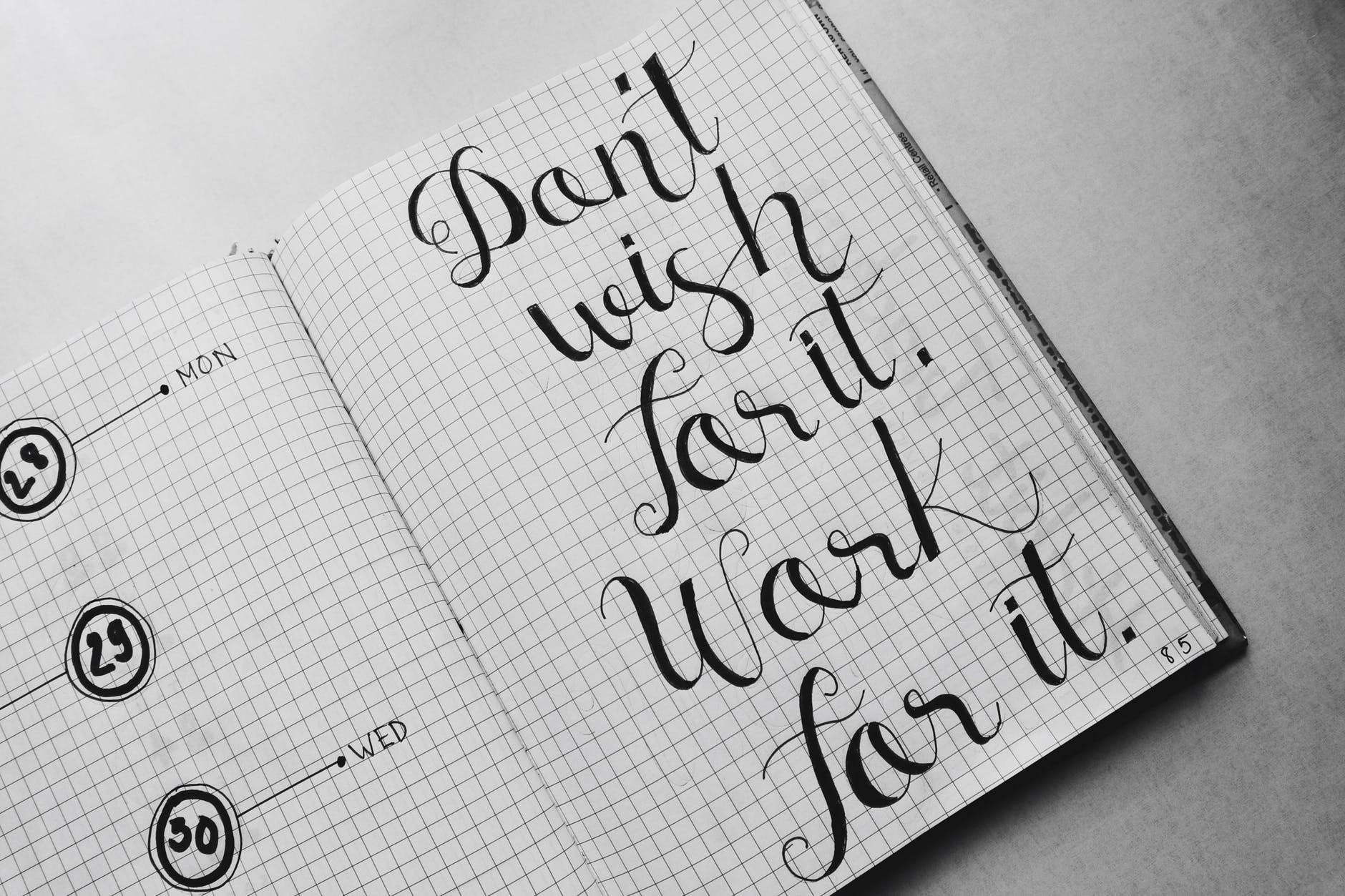
Faux Calligraphy – a beautiful and stunning art of calligraphy, yet so simple and easy. So, what is faux calligraphy? It may sound like some sort of fancy and complicated sort of calligraphy, but really, it’s not. “Faux” is originated from French, and it means “fake” or “false”.

Faux Calligraphy is probably the simplest and best calligraphy to learn, especially if you are planning on learning modern calligraphy or calligraphy.

Where did calligraphy originate from?

China

They began to practice it only in the 7th cent. AD, with the introduction of Buddhist manuscripts from China. Kukai, c.800, invented the syllabic script, which was based on Chinese characters. The art of calligraphy is also practiced with the limited letter alphabet of Arabic.

Faux calligraphy is simple like I’ve been saying throughout this blog post: it’s really is. Let’s get started!

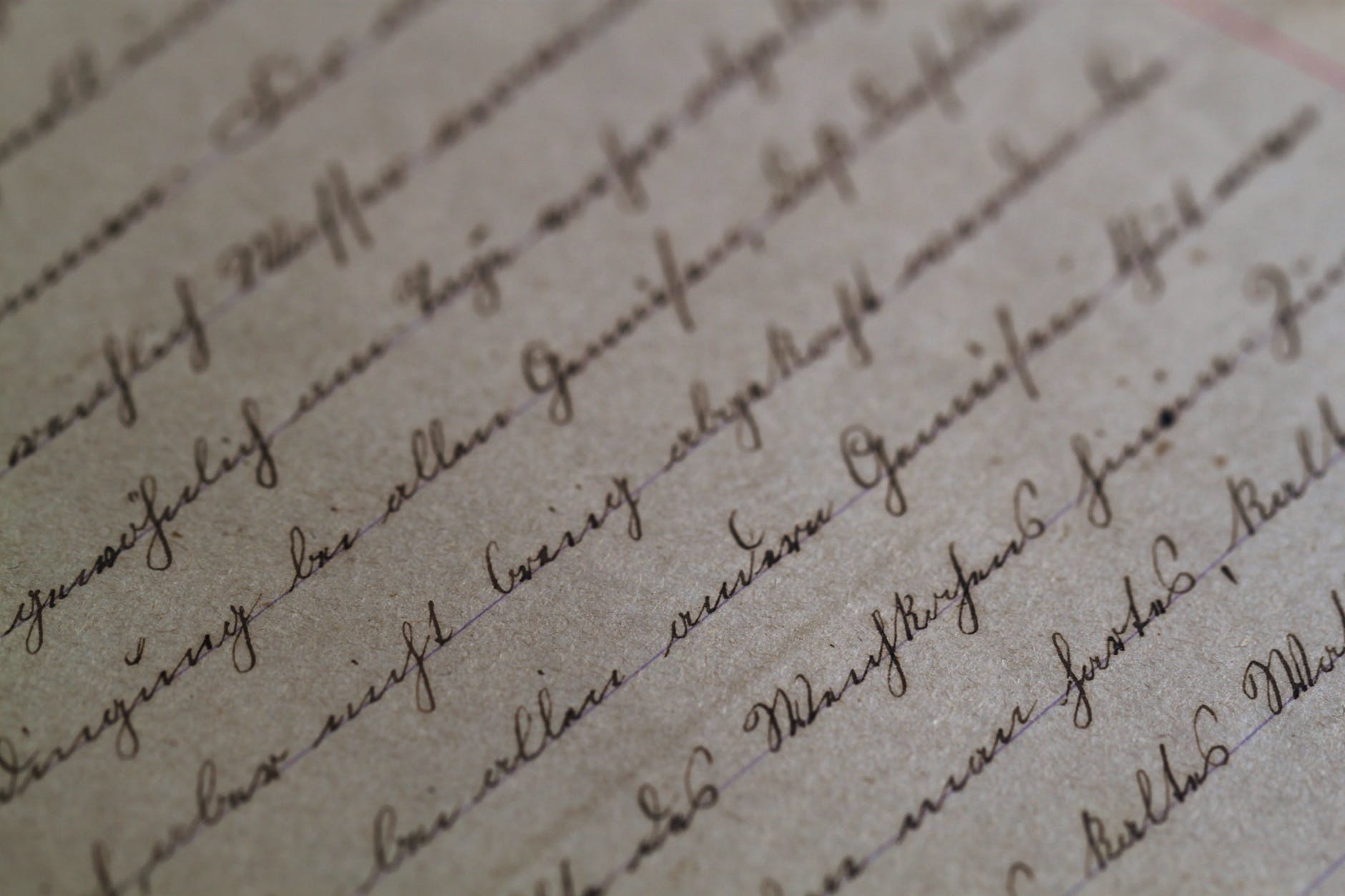
So first things first: Grab a pencil or pen, and any blank sheet of paper. If you prefer dot paper to keep your letters right or graph, or perhaps you just would like to do it on lined paper, or maybe you like blank paper! Next, let’s look at the basics: down strokes and up strokes.

Photo by Bich Tran on Pexels.com

Up strokes:

Thin lines going upwards.

Down strokes:

Thick lines going downwards.

Do you get it now? Practice a few thin up strokes and a few thick down strokes. You’re getting closer! Next, write any work in cursive. This will be your first word in faux calligraphy. Got it? Ok, great! Next, outline the down strokes with another line so that it has a blank space inside of them. You’re onto the last step: filling it in! Fill it in, and now you have the perfect faux calligraphy word! Keep practicing, and maybe do a little brush up on your cursive, and you’re done!

Photo by Pixabay on Pexels.com

Thanks for reading! Until next time, and keep on writing on!

-Haley

Pssst…. want to watch the video? Watch it here at https://www.youtube.com/watch?v=4ZNI51qphbU

How to write morning pages

Welcome back, and today I will be telling you how to do morning pages!

Photo by Pixabay on Pexels.com

So, first things first, what are morning pages? Morning pages are 3 pages of just your thoughts, writing down every single thing that comes to mind. Anything, really! It’s for you, and for you alone. So, let’s get started!

Grab a notebook! Any notebook. It’s good to invest in a nice, new blank notebook. Now start writing! Just write down 3 whole pages of all your thoughts. It’s a cleansing exercise, and it leaves you feeling fresh and happy once you’re done. It’s good to get in a habit of doing this every morning.

Photo by Tirachard Kumtanom on Pexels.com

Well, that’s all for now!

Hugs and kisses,

Haley.

7 ways to cut down on your waste

Photo by Luka Siemionov on Pexels.com

It’s important to use less waste. So now I’m going to tell you some ways of how to do that!

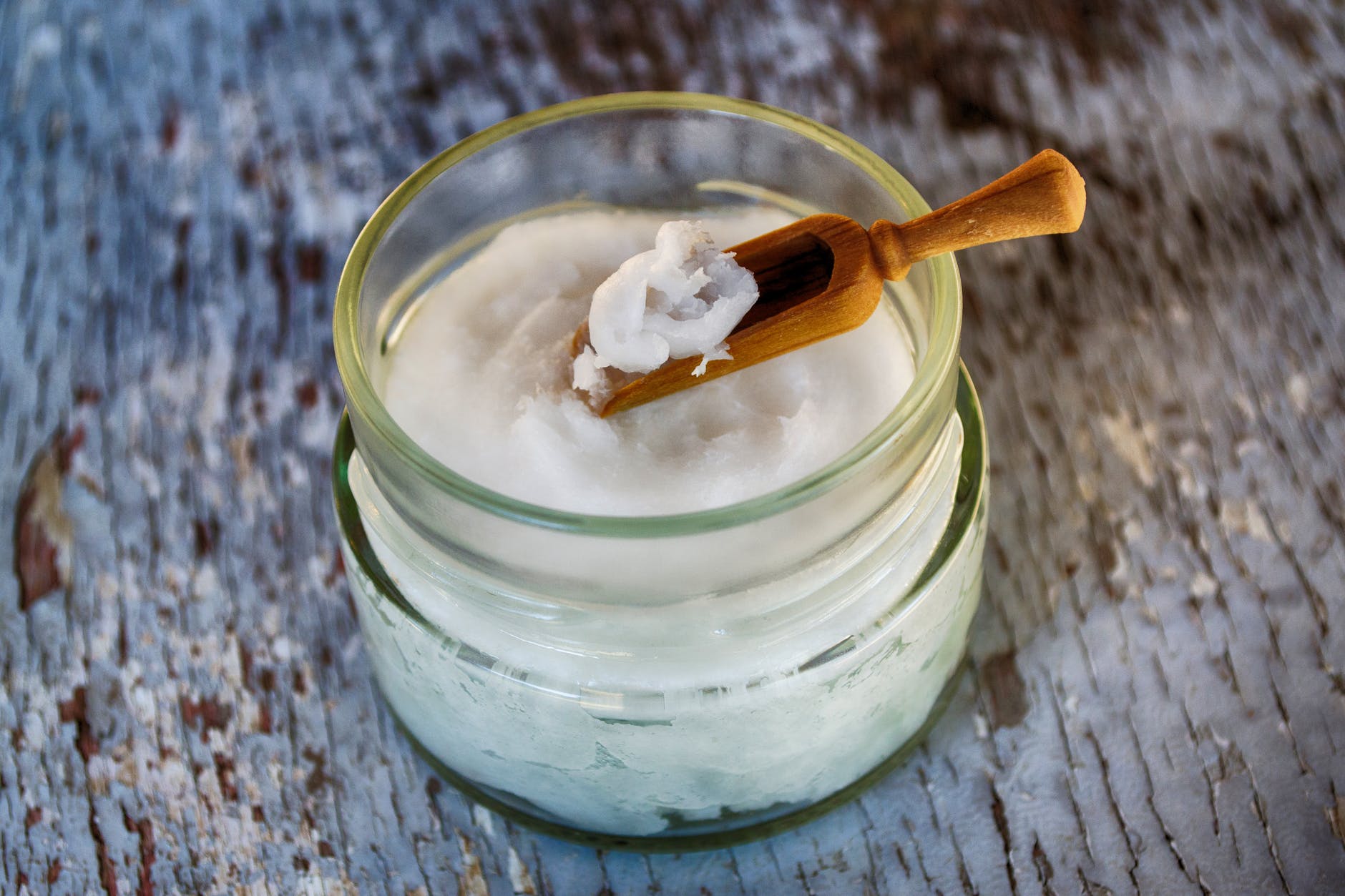
  1. Make your own soap, toothpaste, candles, and more! There are a lot of recipes for things like that. A lot of them contain coconut oil, and you can also make toothpaste with just coconut oil, peppermint oil, and baking soda!

Photo by Dana Tentis on Pexels.com

2. Purchase things in bulk. There are a lot of stores that sell nuts and more in bulk!

Photo by Frans Van Heerden on Pexels.com

3. Rethink your toothbrush! Bamboo toothbrushes are a great alternative to plastic toothbrushes.

Photo by Pixabay on Pexels.com

4. Use a compost bin! Not only are compost bins cutting down on your waste, but it’s great fertilizer!

Photo by christopher nowarra on Pexels.com

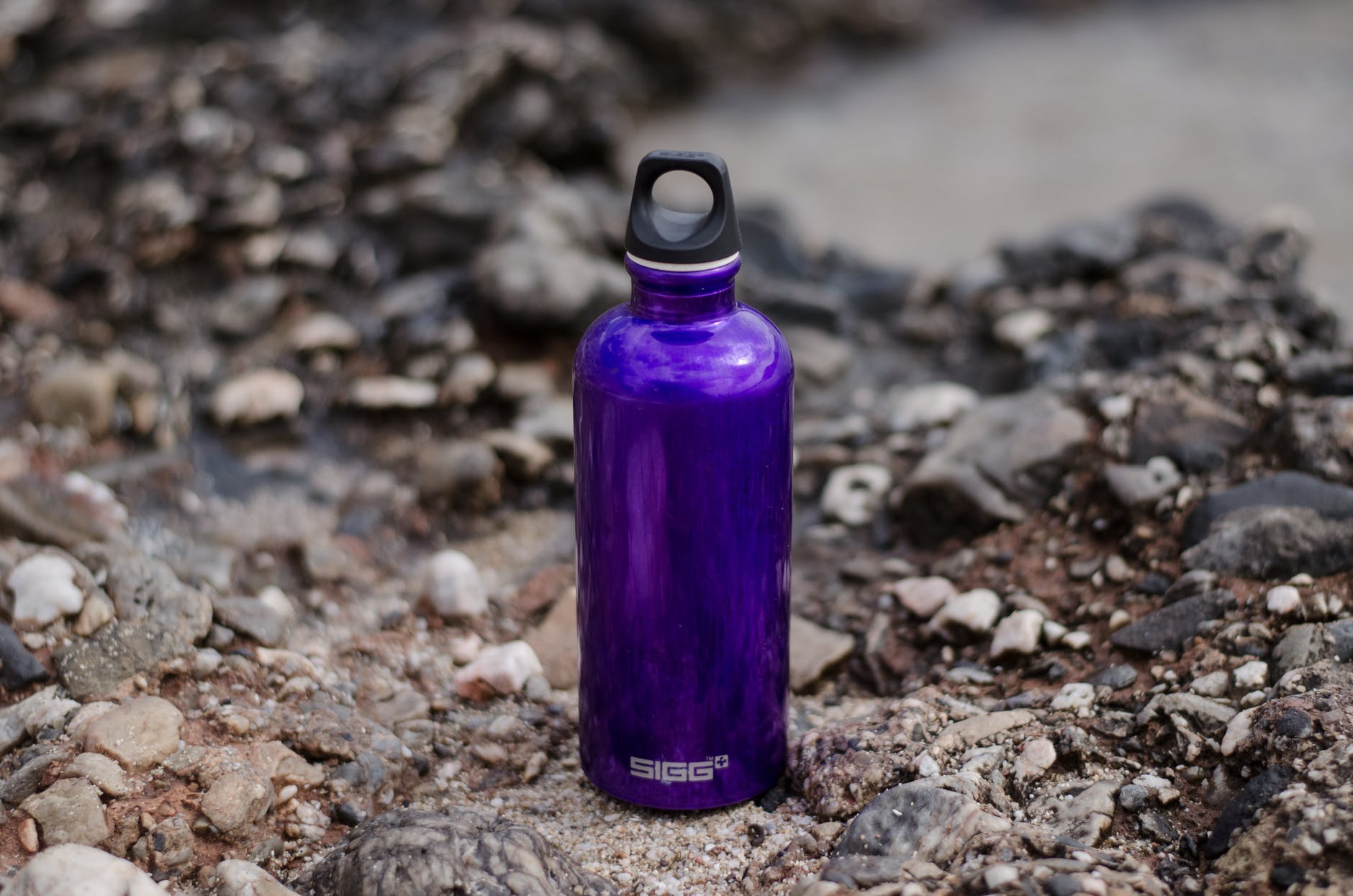
5. Use reusable water bottles! Not only is it helping cut down on the plastic, but you’re saving money by not buying plastic water bottles!

Photo by Julia Sakelli on Pexels.com

6. Use reusable bags! Reusable bags are super cheap and simple, and they help cut down on your plastic bag waste!

Photo by rawpixel.com on Pexels.com

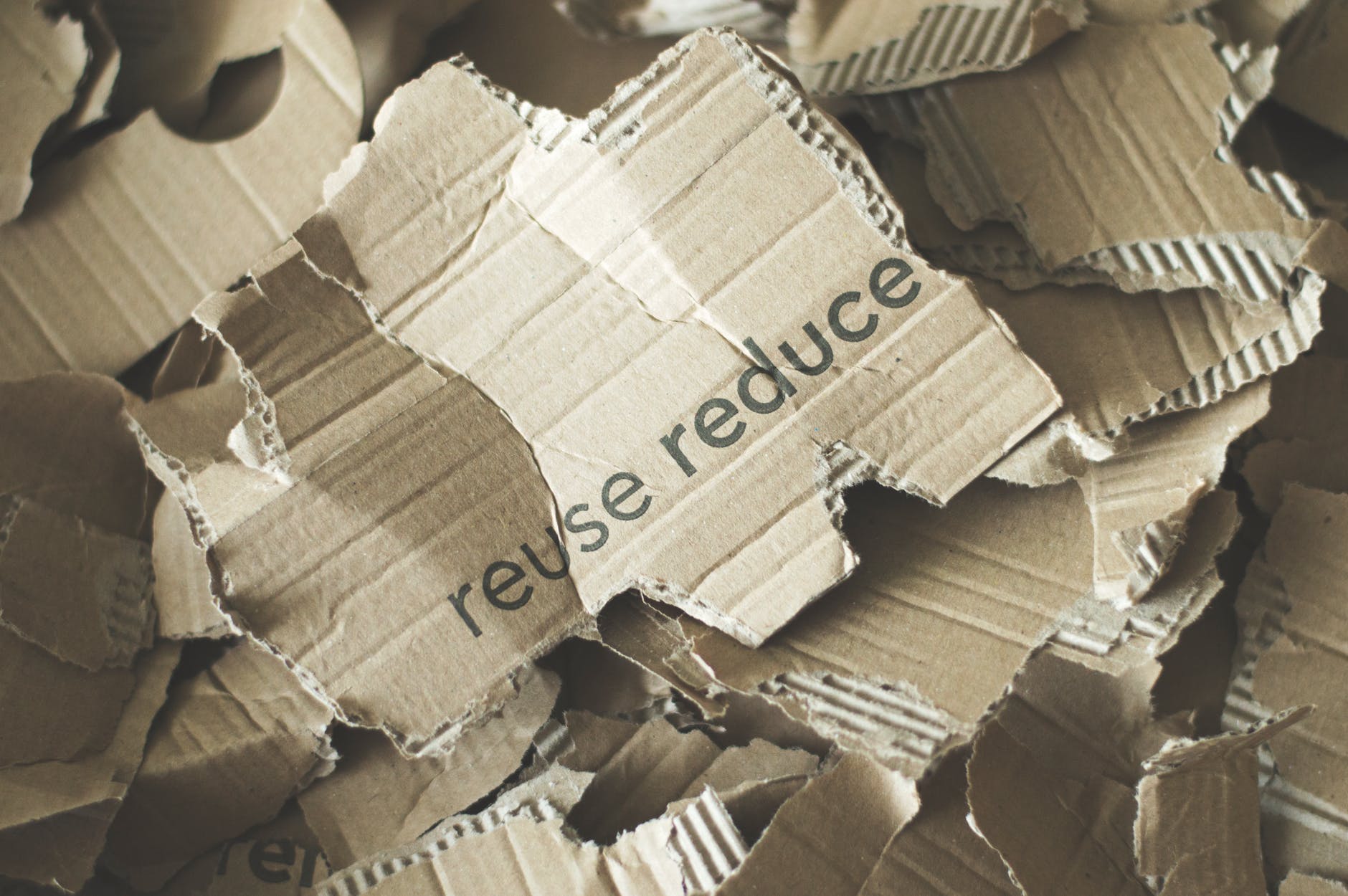
7. Reuse anything and everything! Remember that plastic lunch meat container you threw out last week? You could’ve used that! You can reuse containers for leftovers, and boxes and paper scraps for crafts!

Photo by Pixabay on Pexels.com

I hope you liked this blog!

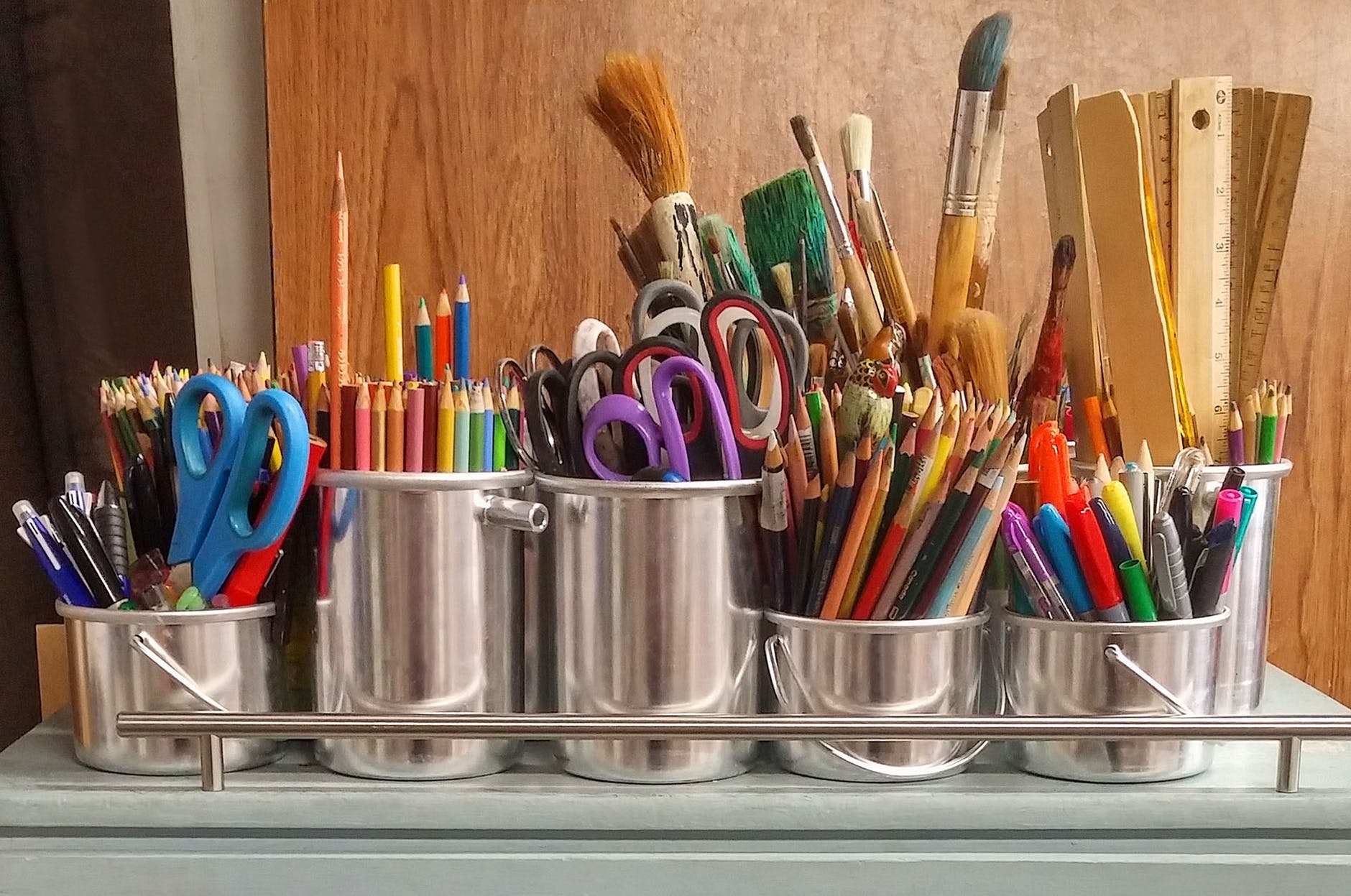
How to organize your craft supplies

Welcome back to our blog! It’s Haley here, and today I will be telling you how to organize your craft supplies!

Photo by Pixabay on Pexels.com

It’s very important to keep your craft supplies in a clean and organized space so that you can find it when you need it! So let’s get organizing!

  1. Find a new place or keep the place you have to put your treasures (craft supplies).
  2. If you are keeping the place you want to put your craft stuff, then start with dumping out all the stuff. If you are picking a new spot, transfer all the stuff near that area.
  3. Organize everything into piles. For example, you could have a pile for washi tape, a pile for papers and fabrics, and a pile of things you don’t or wouldn’t use.
  4. Next, organize things into fewer piles. For example, if you have a pile for papers, and you had a pile for fabrics, then combine those piles.
  5. Put all your “piles” into the correct spots. If you are using a shelf, put all the “piles” onto the right shelf, and if you are using drawers, put things in the right drawers.
  6. Get crafting, and build your treasures up over time!

That’s all you need to do to organize your craft supplies. Have a great day!

-Haley