

Faux Calligraphy – a beautiful and stunning art of calligraphy, yet so simple and easy. So, what is faux calligraphy? It may sound like some sort of fancy and complicated sort of calligraphy, but really, it’s not. “Faux” is originated from French, and it means “fake” or “false”.
Faux Calligraphy is probably the simplest and best calligraphy to learn, especially if you are planning on learning modern calligraphy or calligraphy.
Where did calligraphy originate from?
China
They began to practice it only in the 7th cent. AD, with the introduction of Buddhist manuscripts from China. Kukai, c.800, invented the syllabic script, which was based on Chinese characters. The art of calligraphy is also practiced with the limited letter alphabet of Arabic.
Faux calligraphy is simple like I’ve been saying throughout this blog post: it’s really is. Let’s get started!
So first things first: Grab a pencil or pen, and any blank sheet of paper. If you prefer dot paper to keep your letters right or graph, or perhaps you just would like to do it on lined paper, or maybe you like blank paper! Next, let’s look at the basics: down strokes and up strokes.
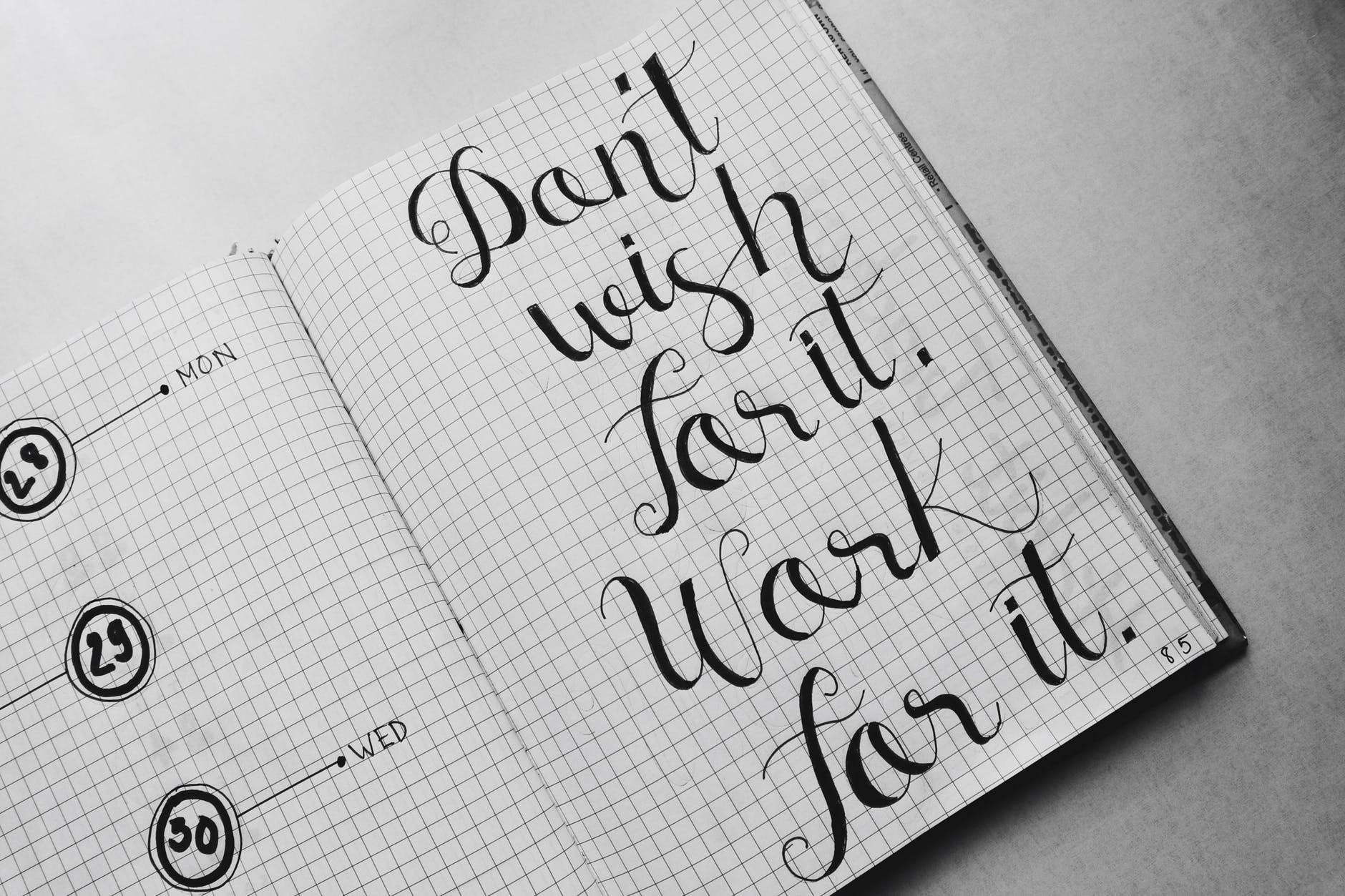
Up strokes:
Thin lines going upwards.
Down strokes:
Thick lines going downwards.
Do you get it now? Practice a few thin up strokes and a few thick down strokes. You’re getting closer! Next, write any work in cursive. This will be your first word in faux calligraphy. Got it? Ok, great! Next, outline the down strokes with another line so that it has a blank space inside of them. You’re onto the last step: filling it in! Fill it in, and now you have the perfect faux calligraphy word! Keep practicing, and maybe do a little brush up on your cursive, and you’re done!
Thanks for reading! Until next time, and keep on writing on!
-Haley
Pssst…. want to watch the video? Watch it here at https://www.youtube.com/watch?v=4ZNI51qphbU
 Sisters 4 ever